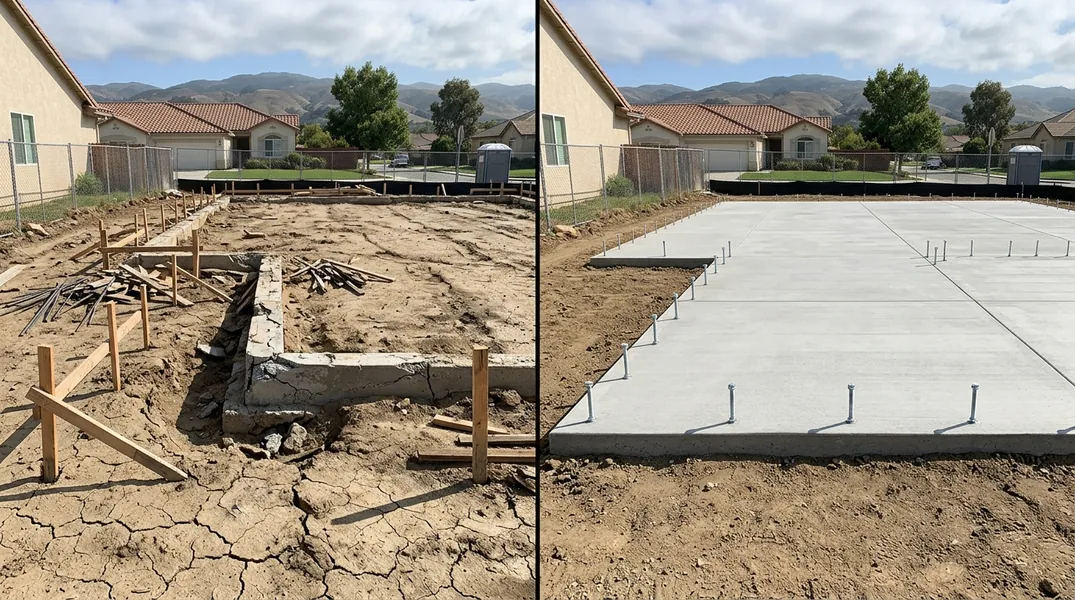
Understanding New Construction Concrete Slabs in Salinas
Buying a new home in Salinas is an exciting milestone, but it comes with responsibilities that many first-time homebuyers overlook. One of the most critical components of any new construction home is the concrete foundation slab, yet it's often the least understood by buyers preparing to close. Your home's concrete slab is the literal foundation upon which everything else rests, making it essential to understand its condition, quality, and warranty coverage before you sign the final papers.
The concrete slab serves multiple purposes in a modern home. It provides structural support for the entire house, acts as a thermal mass that helps regulate indoor temperature, and protects your home from moisture infiltration from the ground. In the Salinas area, where the climate involves both wet winters and dry summers, the quality and installation of your foundation slab directly impacts long-term durability and maintenance costs. A poorly installed or inadequately cured slab can lead to cracks, settling issues, and costly repairs down the road.
What to Look for During Your Builder Foundation Inspection
Before closing on your new construction home, you have the right to conduct a thorough builder foundation inspection. This is not optional, even if your builder seems confident in their work. A professional foundation inspection typically costs between $300 and $800 but can save you tens of thousands in future repairs. During this inspection, a qualified professional will examine the slab for visible cracks, improper slopes, uneven surfaces, and signs of poor installation practices.
Look for hairline cracks versus structural cracks. Hairline cracks (less than 1/8 inch wide) are often cosmetic and normal in concrete as it cures, but wider cracks or cracks that run in patterns may indicate settling, poor concrete mix, or inadequate reinforcement. The inspector should also verify that the slab has proper drainage away from the foundation, that vapor barriers were installed correctly, and that the concrete was allowed sufficient time to cure before the home was enclosed. In the Salinas climate, proper drainage is particularly important since winter rains can saturate soil and create hydrostatic pressure against your foundation.
Decoding Your New Home Foundation Warranty
Every new construction home comes with a new home foundation warranty, but understanding what is and isn't covered is crucial. Most builder warranties cover structural defects for one year from closing, but the definition of 'structural defect' varies widely. Some warranties only cover movement or settling that exceeds specific thresholds, while others exclude cracks under certain widths or caused by soil conditions. Before closing, request a copy of your specific warranty document and have an attorney or experienced real estate agent review it with you.
Pay special attention to exclusions and time limits. Many warranties exclude damage caused by improper maintenance, landscaping changes, or natural settlement. Some warranties require you to report issues within a specific window, sometimes as short as 30 days after closing. In California, builders are required to comply with California Building Code standards, but this doesn't mean every minor issue will be covered under warranty. Understanding these limitations helps you know when you might need to hire a professional for Concrete Repair & Resurfacing at your own expense versus when the builder should cover repairs.
Common Issues Found in New Construction Concrete Slabs
Even with quality builders, concrete slabs sometimes develop issues during or after construction. One of the most common problems is improper slope or grading, which prevents water from draining away from the foundation. This can lead to pooling water, which eventually seeps into basements or crawl spaces. Another frequent issue is concrete that was poured in extreme temperatures or without proper curing time, resulting in weak spots that crack prematurely. Reinforcement issues, such as rebar that's improperly placed or wire mesh that's installed too close to the surface, can also compromise the slab's strength.
Settling cracks are another concern, particularly in areas where soil composition varies or where fill dirt was used during grading. These cracks typically appear within the first year and can range from minor cosmetic issues to signs of more serious foundation movement. Additionally, some builders may not properly treat the soil before pouring the slab, leading to problems with expansive clay soils that shift with moisture changes. If you notice any of these issues during your pre-closing inspection, document them thoroughly with photos and written descriptions so you have clear evidence if you need to make a warranty claim.
Steps to Take Before Closing on Your New Construction Home
Your pre-closing checklist should include scheduling a professional foundation inspection at least two weeks before your closing date. This timing gives you enough time to address any issues with your builder before you take ownership. Request that the inspection be thorough and detailed, with a written report that you can reference if problems develop later. Ask the inspector to photograph any concerns and to provide recommendations for follow-up or monitoring.
Additionally, walk through your home with the builder's representative and document the condition of all concrete surfaces, including the foundation slab, any Concrete Driveways, and Concrete Patios. Note any visible defects in writing and request that the builder address them before closing or provide a written explanation of why they believe the work meets code standards. Get a copy of all foundation and concrete work documentation, including inspection reports from the building department, concrete supplier certifications, and any warranties from the concrete contractor. These documents become your proof of the work quality and will be invaluable if issues arise later.
When to Call a Professional After Closing
After you close on your new home, monitor your concrete slab for any changes during the first year. Some settling and minor cracking is normal, but significant changes warrant professional attention. If you notice new cracks appearing, changes in floor level, or water intrusion issues, contact a concrete professional promptly. The team at Salinas Concrete Pros specializes in evaluating concrete conditions and can provide expert assessment of whether issues are normal or require intervention. Early detection of problems often makes repairs more cost-effective than waiting until damage spreads.
If your builder's warranty doesn't cover an issue you've discovered, or if you're unsure about the severity of a problem, getting a professional opinion is wise. The experts at Salinas Concrete Pros can assess your foundation slab and advise you on whether repairs are necessary now or can be monitored. Whether you need Concrete Repair & Resurfacing or simply want peace of mind about your home's condition, don't hesitate to reach out. Call (831) 208-2993 or visit https://salinas-concrete-pros.com to request a free estimate and get expert guidance tailored to your specific situation.
Looking for a professional concrete contractor in Salinas? Salinas Concrete Pros responds fast for all your concrete needs.
Get a Free QuoteOur services: Concrete Driveways · Concrete Patios · Stamped & Decorative Concrete